Pest Control

The Lifecycle of Common Pests and Why Timing Matters

Pest problems rarely happen overnight. Behind every visible infestation is a biological process that unfolds over time. Understanding the lifecycle of common pests is one of the most effective ways to manage and prevent infestations. When timing aligns with pest behavior and development stages, control efforts become more precise, efficient, and long-lasting. This is why timing matters so much in pest management.

By learning how pests grow, reproduce, and spread, homeowners and property managers gain valuable insight into when pests are most vulnerable. A lifecycle-based approach shifts pest control from guesswork to strategy, helping reduce infestations before they become widespread problems. Click Here to access more information.

Why Pest Lifecycles Are Important
pests

Every pest species follows a lifecycle made up of distinct stages. These stages determine how pests behave, where they hide, and how quickly populations can grow. Some pests multiply rapidly, while others develop more slowly but live longer.

Understanding these patterns allows for better planning and prevention. When pest control efforts are timed correctly, they interrupt reproduction cycles and prevent pests from reaching damaging population levels.

The Four Main Stages of Pest Development

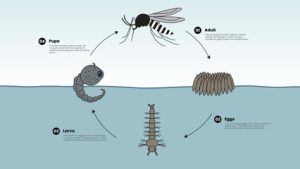
Most common pests go through four primary stages of development: egg, immature stage, mature stage, and reproduction. While the exact appearance and duration of each stage may vary, the overall structure is similar.

Each stage presents different challenges and opportunities for control. Eggs are often hidden, immature pests may be less mobile, and mature pests are typically responsible for spreading and reproduction. Effective timing targets the stages where pests are easiest to manage.

Egg Stage: The Hidden Beginning

The egg stage is the foundation of any infestation. Eggs are often laid in protected areas where they are difficult to detect. Because eggs are stationary and well-hidden, they can go unnoticed until they hatch.

Timing matters at this stage because addressing conditions that support egg-laying can prevent future infestations. Reducing shelter, managing moisture, and eliminating food sources help disrupt the earliest phase of pest development.

Immature Stage: Rapid Growth and Vulnerability

Once eggs hatch, pests enter an immature stage marked by rapid growth. During this phase, pests focus on feeding and development. They may be smaller and less visible, but they are often more vulnerable to control efforts.

Targeting pests during this stage can significantly reduce population growth. Preventive strategies are especially effective here, as they limit resources and interfere with development before pests reach maturity.

Mature Stage: Mobility and Expansion

The mature stage is when pests become most noticeable. Fully developed pests are mobile, capable of spreading throughout a property, and responsible for reproduction. This stage often triggers visible signs of infestation.

Timing control efforts at this point is still important, but it can be more challenging. While mature pests are easier to identify, they are often more resilient. Early intervention in earlier stages helps prevent pests from reaching this phase.

Reproductive Stage: Population Explosion

Reproduction is the stage that drives infestations. Once pests begin reproducing, populations can grow rapidly. Some pests produce multiple generations within a short period, making timing critical.

Interrupting the reproductive stage is essential for long-term control. Strategies that prevent pests from reaching maturity or reduce their ability to reproduce can stop infestations from escalating.

How Environmental Conditions Affect Pest Lifecycles

Environmental factors play a significant role in how quickly pests move through their lifecycles. Temperature, humidity, and food availability all influence development speed. Warmer conditions often accelerate growth, while limited resources can slow it down.

Understanding these influences helps predict periods of increased pest activity. Timing pest management efforts to align with favorable conditions reduces the likelihood of sudden infestations.

Seasonal Patterns and Lifecycle Timing

Seasonal changes directly affect pest behavior and lifecycle progression. Some pests are more active during warmer seasons, while others seek shelter during cooler periods. These patterns create predictable cycles of activity.

By recognizing seasonal trends, pest control efforts can be planned proactively. Addressing pest risks before peak activity periods increases effectiveness and reduces the need for reactive measures.

Why Timing Improves Pest Control Results

Timing is not just about when pests are visible. It is about acting when they are most vulnerable. Lifecycle-based timing allows for targeted strategies that require less effort and deliver better outcomes.

When control measures align with pest development stages, they disrupt growth and reproduction more efficiently. This reduces the overall pest population and limits future infestations.

The Role of Monitoring in Lifecycle-Based Control

Effective timing relies on accurate monitoring. Observing pest activity, tracking changes, and noting seasonal patterns provide valuable information. Monitoring helps identify which lifecycle stage pests are currently in.

With this knowledge, control efforts can be adjusted accordingly. Monitoring turns pest management into an informed process rather than a reactive response.

Preventive Measures That Target Early Stages

Prevention is most effective when it focuses on the earliest lifecycle stages. Managing environmental conditions that support egg-laying and immature development reduces pest success from the start.

Cleaning, moisture control, and structural maintenance all play a role. These measures limit the resources pests need to complete their lifecycles.

How Poor Timing Leads to Persistent Infestations

Mistimed pest control efforts often fail to address the root of the problem. Treating only mature pests without disrupting reproduction allows populations to rebound quickly.

This cycle of temporary relief followed by reinfestation highlights why timing matters. Without addressing lifecycle stages strategically, pest problems tend to persist.

Lifecycle Knowledge and Long-Term Prevention

Understanding pest lifecycles supports long-term prevention. Instead of focusing solely on immediate results, this approach emphasizes sustainable solutions.

By anticipating pest behavior and acting at the right time, property owners can maintain consistent protection. Lifecycle awareness transforms pest control into a proactive practice.

Indoor and Outdoor Lifecycles

Many pests move between indoor and outdoor environments during different lifecycle stages. Eggs or immature pests may develop outside, while mature pests seek indoor shelter.

Recognizing this movement is essential for effective timing. Coordinating indoor and outdoor prevention ensures that all stages of the lifecycle are addressed.

The Impact of Timing on Property Protection

Pests can cause damage when allowed to complete their lifecycles unchecked. Early intervention prevents pests from reaching stages where they can harm structures, belongings, or landscaping.

Timing pest control efforts to stop development early protects property and reduces repair risks. Prevention at the lifecycle level safeguards long-term value.

Adapting Strategies to Different Pest Lifecycles

Not all pests develop at the same pace. Some complete their lifecycles quickly, while others take longer. Effective pest management adapts to these differences.

Understanding lifecycle variations ensures that timing strategies remain effective across different pest types. Flexibility and awareness are key to success.

Why Education Improves Timing Decisions

Knowledge empowers better decision-making. Learning about pest lifecycles helps property owners recognize early warning signs and act promptly.

Education reduces reliance on guesswork and improves confidence in preventive efforts. Informed timing leads to more reliable outcomes.

Integrating Lifecycle Timing Into Regular Maintenance

Lifecycle-based pest control works best when integrated into routine property care. Regular inspections, cleaning, and maintenance naturally align with lifecycle monitoring.

This integration creates a seamless approach to pest prevention. Timing becomes part of everyday property management rather than an occasional task.

The Long-Term Benefits of Lifecycle-Based Pest Control

Focusing on pest lifecycles delivers lasting benefits. Reduced infestations, lower costs, and improved living conditions are all outcomes of well-timed strategies.

Over time, lifecycle-based pest control builds resilience against recurring problems. Consistent timing prevents pests from gaining a foothold.

Why Timing Matters More Than Ever

Modern living environments offer pests plenty of opportunities to thrive. Understanding lifecycles and acting at the right time is more important than ever for effective control.

Timing transforms pest management from a reaction into a strategy. It ensures that efforts are efficient, targeted, and sustainable.

The lifecycle of common pests holds the key to effective pest control. Each stage presents unique challenges and opportunities, and timing determines success. By understanding how pests develop and when they are most vulnerable, property owners can take proactive steps to prevent infestations.

Lifecycle-based pest control is not about quick fixes. It is about informed, well-timed action that delivers long-term protection. When timing matters, knowledge makes all the difference.

Construction Services

Smart Technology Integration in Today’s Construction Projects

GK Construction Solutions industry has evolved far beyond bricks, steel, and concrete. While craftsmanship and structural expertise remain at the core of every successful build, modern construction projects increasingly rely on smart technology to improve efficiency, accuracy, safety, and long-term performance. From pre-construction planning to post-completion management, digital tools and intelligent systems are transforming how projects are designed, executed, and maintained.

construction

Smart technology integration is no longer considered a luxury or a futuristic concept. It has become a competitive advantage and, in many cases, an expectation. Property owners, developers, and construction professionals are recognizing that incorporating advanced technology into projects leads to better outcomes, reduced waste, and enhanced building functionality. Understanding how these innovations are reshaping the industry helps stakeholders make informed decisions for future developments.

The Digital Transformation of Construction Planning

The integration of smart technology begins long before the first shovel touches the ground. In the planning phase, digital modeling and data-driven tools allow teams to visualize projects in precise detail. Advanced modeling software enables architects, engineers, and contractors to collaborate within a shared digital environment, reducing misunderstandings and costly design conflicts.

Through digital simulations, project teams can evaluate structural performance, energy efficiency, and spatial design before construction begins. This approach allows them to identify potential issues early, minimizing change orders and delays during the build phase.

Key benefits of smart planning technologies include:

  1. Improved design accuracy and coordination
  2. Enhanced budget forecasting and cost control
  3. Early detection of structural or logistical conflicts
  4. More efficient collaboration among project stakeholders

By leveraging digital tools during pre-construction, teams create a strong foundation for successful project execution.


Building Information Modeling and Real-Time Data

One of the most impactful technological advancements in modern construction is the use of integrated digital modeling systems. These systems allow detailed three-dimensional representations of a structure to include not only visual components but also material specifications, timelines, and cost data.

Real-time updates ensure that changes made by one team member are visible to others immediately. This level of transparency reduces communication gaps and enhances accountability throughout the project lifecycle.

The ability to integrate real-time data into construction management supports:

  1. Accurate scheduling and progress tracking
  2. Better material procurement planning
  3. Faster decision-making during unexpected challenges
  4. Reduced rework due to miscommunication

Smart technology ensures that information flows seamlessly between departments, improving both efficiency and accuracy.


Automation and Robotics on Job Sites

Automation is playing an increasingly important role in construction projects. Robotics and automated machinery are being used for repetitive, labor-intensive tasks that require precision and consistency. These technologies help increase productivity while reducing human error.

For example, automated equipment can assist with bricklaying, concrete placement, and material handling. Drones are frequently deployed to survey sites, monitor progress, and capture aerial imagery for analysis. These tools allow project managers to assess site conditions quickly and safely.

Automation contributes to:

  1. Increased construction speed without sacrificing quality
  2. Enhanced worker safety by reducing exposure to hazardous tasks
  3. More precise execution of repetitive processes
  4. Improved site monitoring and documentation

As robotics technology continues to advance, its integration into construction projects is expected to grow significantly.


Smart Sensors and On-Site Monitoring

Smart sensors are becoming a vital component of modern construction sites. These devices collect real-time data related to temperature, humidity, structural movement, and equipment performance. By monitoring conditions continuously, teams can address potential problems before they escalate.

For example, moisture sensors can detect excess humidity that might compromise materials. Structural sensors can monitor stress levels in load-bearing elements, ensuring that the building remains stable throughout construction.

The use of smart sensors provides:

  1. Continuous quality assurance during construction
  2. Early detection of environmental or structural risks
  3. Improved safety through hazard monitoring
  4. Detailed data records for future maintenance planning

This proactive approach enhances both immediate project outcomes and long-term building reliability.


Enhancing Construction Safety Through Technology

Safety remains a top priority in every construction project. Smart technology integration plays a significant role in reducing accidents and improving worker protection. Wearable devices, for instance, can monitor worker location, fatigue levels, and exposure to hazardous conditions.

Real-time safety monitoring systems allow supervisors to receive alerts when unsafe behaviors or environmental risks are detected. In addition, virtual reality training programs prepare workers for high-risk scenarios before they step onto the job site.

Technology-driven safety solutions support:

  1. Faster emergency response through location tracking
  2. Improved compliance with safety protocols
  3. Reduced workplace injuries and associated costs
  4. Enhanced training effectiveness through immersive simulations

By combining human expertise with intelligent monitoring systems, construction projects achieve safer working environments.


Smart Materials and Sustainable Construction

Sustainability is a growing priority in construction, and smart technology integration extends to building materials themselves. Advanced materials are now engineered to improve energy efficiency, durability, and environmental performance.

Examples include self-healing concrete that repairs minor cracks automatically, energy-efficient insulation systems, and adaptive glass that regulates indoor temperature. These innovations reduce long-term operational costs and environmental impact.

Sustainable smart construction strategies often involve:

  1. Energy monitoring systems that optimize consumption
  2. Renewable energy integration within building design
  3. Automated lighting and climate control systems
  4. Real-time performance analytics for resource efficiency

By incorporating intelligent materials and systems, modern construction projects align with sustainability goals while enhancing property value.


Internet of Things (IoT) and Connected Buildings

The Internet of Things (IoT) has transformed how completed buildings operate. In construction, IoT devices are integrated during the building phase to create connected environments that function efficiently from day one.

Connected systems allow property owners to control lighting, climate, security, and maintenance through centralized platforms. Smart building technologies collect data continuously, enabling predictive maintenance and optimized energy use.

The integration of IoT in construction projects provides:

  1. Reduced operational costs through automation
  2. Improved occupant comfort and convenience
  3. Enhanced security through intelligent monitoring systems
  4. Predictive maintenance that prevents costly breakdowns

Planning for IoT integration during construction ensures seamless functionality once the building is occupied.


Data Analytics for Better Decision-Making

Data is one of the most valuable assets in modern construction. Smart technology generates detailed analytics that inform decision-making at every stage of a project. From resource allocation to risk assessment, data-driven insights improve overall performance.

Construction managers can analyze productivity trends, identify inefficiencies, and adjust strategies accordingly. Historical data from previous projects also supports better forecasting for future developments.

The strategic use of analytics enables:

  1. More accurate cost estimation and budgeting
  2. Improved timeline management
  3. Reduced material waste
  4. Enhanced overall project transparency

By embracing data analytics, construction firms position themselves for smarter, more efficient operations.


Reducing Waste and Improving Efficiency

One of the most tangible benefits of smart technology integration is waste reduction. Accurate measurements, automated machinery, and real-time tracking systems minimize material overuse and prevent unnecessary delays.

Digital inventory management ensures that materials are ordered precisely when needed, reducing storage requirements and excess inventory. Efficient coordination among teams prevents duplication of work and costly mistakes.

Through smart integration, projects achieve:

  1. Lower material waste and disposal costs
  2. Streamlined workflows across departments
  3. Faster completion times
  4. Greater overall profitability

Efficiency gains not only improve financial outcomes but also support environmental responsibility.


The Future of Smart Construction Projects

As technology continues to evolve, the construction industry will see even deeper integration of artificial intelligence, machine learning, and advanced robotics. Predictive algorithms may soon anticipate delays before they occur, while autonomous machinery could perform increasingly complex tasks.

Virtual and augmented reality will likely expand their roles in design visualization and client presentations. These immersive technologies allow stakeholders to experience a building before construction is complete, improving satisfaction and reducing revisions.

Smart technology integration is not a passing trend. It represents a fundamental shift in how construction projects are conceptualized, executed, and maintained.


Final Thoughts: Building Smarter for Long-Term Success

The integration of smart technology in today’s construction projects has reshaped the industry from the ground up. What was once a manual, paper-driven process has become a dynamic, data-powered ecosystem. From digital planning tools and automation to smart sensors and connected building systems, technology enhances every stage of construction.

For property owners and developers, investing in smart construction means more than embracing innovation. It means achieving greater efficiency, improved safety, enhanced sustainability, and long-term operational savings. For construction professionals, it represents an opportunity to deliver higher-quality projects with precision and confidence.

As the industry continues to advance, those who prioritize smart technology integration will lead the way in building structures that are not only strong and durable but also intelligent and future-ready.