Home Remodeling

The Biggest Home Remodeling Regrets and How to Avoid Them

Home remodeling is an exciting opportunity to improve comfort, functionality, and value, but it can also lead to disappointment when decisions are rushed or poorly planned. Many homeowners look back on their remodeling projects wishing they had made different choices.

These regrets often come from common mistakes that can be avoided with proper planning and realistic expectations. Understanding the biggest home remodeling regrets and how to avoid them can help homeowners approach renovations with confidence and clarity. Visit https://jrcsi.com/ for more details.

Not Planning the Remodel Thoroughly

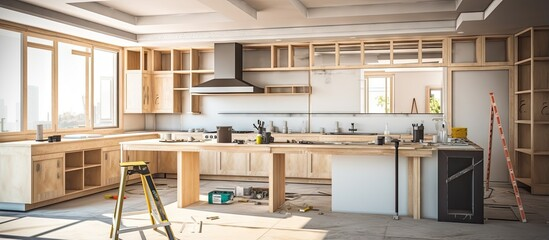
One of the most common home remodeling regrets is jumping into a project without a clear and detailed plan. Remodeling involves many moving parts, and without a solid plan, projects can quickly become disorganized and stressful. Homeowners may realize too late that the layout does not work, storage is insufficient, or design choices do not match their lifestyle.

Avoiding this regret starts with careful planning. Homeowners should take time to define goals, priorities, and budget before any work begins. Considering how the space will be used daily helps ensure the remodel supports long term needs. Creating a detailed plan with drawings, measurements, and material selections reduces uncertainty and helps prevent costly changes later.

Underestimating the Budget and Hidden Costs

Budget related regrets are extremely common in home remodeling. Many homeowners underestimate the total cost of a renovation, focusing only on visible upgrades and forgetting about labor, permits, and unexpected repairs. When costs exceed expectations, projects may be rushed or completed with lower quality materials.

To avoid this regret, it is important to build a realistic budget that includes a contingency for unexpected expenses. Older homes often reveal issues such as outdated wiring, plumbing problems, or structural concerns once walls are opened. Planning for these possibilities helps homeowners stay financially prepared.

Being honest about what can be afforded and prioritizing essential improvements over cosmetic ones helps keep the project on track.

Choosing Trends Over Timeless Design

Another major remodeling regret comes from following trends that quickly go out of style. While trendy colors, fixtures, or layouts may look appealing at the moment, they can feel dated within a few years. This often leads homeowners to regret their choices or consider another remodel sooner than expected.

Avoiding trend related regrets means focusing on timeless design elements that age well. Neutral colors, classic materials, and functional layouts tend to remain appealing over time. Trends can still be incorporated through easily changeable elements such as décor or accessories rather than permanent features.

Balancing personal style with long term appeal ensures the remodel remains satisfying and valuable.

Sacrificing Functionality for Appearance

Many homeowners regret prioritizing appearance over functionality. A space may look beautiful but fail to meet everyday needs. Common examples include kitchens with insufficient storage, bathrooms with awkward layouts, or living spaces without proper lighting.

Avoiding this regret requires thinking beyond aesthetics. Homeowners should consider how the space will function during daily routines. Storage needs, traffic flow, and accessibility are just as important as visual appeal.

Testing layouts, visualizing movement through the space, and planning for practical features ensures the remodel improves daily life rather than complicating it.

Ignoring Energy Efficiency and Comfort

Energy efficiency and comfort are often overlooked during remodeling, leading to regrets later. Poor insulation, inefficient windows, or outdated systems can result in higher energy bills and uncomfortable living conditions.

To avoid this regret, homeowners should consider energy efficiency upgrades as part of the remodel. Improving insulation, upgrading lighting, and choosing efficient fixtures contribute to long term savings and comfort.

Considering natural light, ventilation, and temperature control during the design phase helps create a more enjoyable and sustainable living environment.

Hiring the Wrong Professionals or Going It Alone

One of the most costly home remodeling regrets is hiring the wrong professionals or attempting complex projects without proper expertise. Poor workmanship, miscommunication, or lack of experience can lead to delays, safety issues, and unsatisfactory results.

Avoiding this regret involves taking time to research and select qualified professionals. Checking credentials, reviewing past work, and communicating expectations clearly helps ensure a positive working relationship.

For homeowners considering a do it yourself approach, it is important to recognize limitations. Some tasks require professional skills and knowledge to meet safety and quality standards. Knowing when to seek expert help prevents mistakes that can be expensive to fix.

Skipping Permits and Inspections

Skipping permits and inspections is a regret that often surfaces during resale or when problems arise. Unpermitted work can result in fines, delays, or complications with insurance claims. It can also affect the safety and legality of the remodel.

Avoiding this regret means understanding local requirements and ensuring all necessary permits are obtained. Inspections ensure work meets safety standards and provides peace of mind.

Although permits may seem inconvenient, they protect homeowners and support the long term value of the property.

Poor Lighting Decisions

Lighting is a critical element that is often underestimated during remodeling. Many homeowners regret not including enough lighting or choosing fixtures that do not suit the space. Poor lighting can make even a well designed room feel uncomfortable or impractical.

To avoid lighting related regrets, homeowners should plan for layered lighting that includes ambient, task, and accent options. Considering how natural and artificial light interact helps create balanced and flexible illumination.

Thoughtful lighting design enhances both function and atmosphere.

Overpersonalizing the Space

While personalization is important, overpersonalizing a remodel can lead to regret, especially if resale is a consideration. Highly specific design choices may not appeal to future buyers or even to the homeowner over time.

Avoiding this regret involves finding a balance between personal taste and broader appeal. Incorporating unique elements in ways that can be easily updated allows the space to evolve.

Designing with flexibility in mind ensures the remodel remains enjoyable and adaptable.

Rushing the Remodeling Process

Rushing a remodeling project often leads to poor decisions and regret. Time pressure can result in overlooked details, rushed installations, and missed opportunities for improvement.

Avoiding this regret means allowing adequate time for planning, decision making, and execution. Taking a measured approach ensures each phase is completed properly.

Patience during remodeling leads to better results and greater satisfaction.

Neglecting Storage Needs

Many homeowners regret not including enough storage in their remodel. Cluttered spaces quickly diminish the enjoyment of a newly renovated room.

Avoiding this regret requires planning storage solutions that suit lifestyle needs. Built in storage, efficient cabinetry, and multifunctional furniture help maintain organization.

Considering storage early ensures the space remains functional long after the remodel is complete.

Not Thinking Long Term

Failing to consider long term needs is a common source of regret. A remodel that works today may not suit future changes such as growing families, aging in place, or lifestyle shifts.

Avoiding this regret involves thinking ahead. Designing spaces that are adaptable and accessible supports changing needs over time.

Long term thinking adds value and longevity to the remodel.

Final Thoughts on Avoiding Home Remodeling Regrets

Home remodeling regrets often stem from lack of planning, unrealistic expectations, and short term thinking. By understanding common mistakes and taking proactive steps to avoid them, homeowners can approach remodeling with confidence.

Thorough planning, realistic budgeting, thoughtful design, and professional support are key to a successful remodel. Focusing on functionality, comfort, and long term value helps ensure the project enhances daily life.

With careful consideration and patience, homeowners can transform their spaces in ways that bring lasting satisfaction rather than regret.
Water Damage Restoration

Flood Damage Restoration Vs Water Damage Restoration

All Pro Services

Flood damage and water damage restoration are two different processes, and the distinction between them impacts insurance coverage and repair. Identifying and stopping the source of flooding is the first step, followed by water extraction and drying to prevent further damage. Disinfection and mold prevention treatments are also key.

Water damage comes from a variety of sources, such as appliances, clogged drains, or leaky roofs. Flood damage, on the other hand, is mostly caused by natural events, like storm surges or overflowing rivers. Contact All Pro Services for more details.

Causes

Although water damage and flood damage are often treated as the same, these terms describe distinct phenomena that require different restoration approaches. Moreover, the distinction between the two can affect everything from cleanup processes to insurance coverage. It is important for homeowners to know the difference between these two emergencies so that they can make informed decisions and take the necessary steps to restore their homes quickly and effectively.

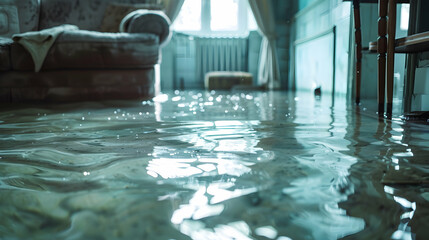
Water damage occurs when unwanted or excessive water invades a home, resulting in destruction or deterioration of the property. It can be caused by a variety of sources, including leaky pipes and appliances, clogged sinks and toilets, and even severe weather. Water damage can be prevented by regularly inspecting and maintaining home plumbing systems, and addressing issues promptly such as a leaking roof or a dripping pipe.

Flood damage, on the other hand, is the result of natural disasters and severe weather that can overwhelm local drainage systems. This type of damage is usually more extensive than a burst pipe or a flooded basement, and it can result in the loss of many items in a home. Flood damage can also be more dangerous than water damage because it can involve contaminated or toxic materials.

The best way to prevent flood damage is by installing gutters and downspouts that are free of debris, and ensuring that they are properly aligned with the home’s foundation. Adding sump pumps to areas of the home that are prone to flooding can also be helpful. Additionally, keeping water drains clear of clogs is important, as is sealing cracks and gaps in the home’s foundation.

Water damage restoration companies can help protect your home against both water and flood damage by providing services such as emergency clean up, dry out, and structural repair. They can also perform humidity and moisture tests to ensure that the property is completely restored and safe for habitation. If you are experiencing water or flood damage in your home, contact the experts at ERX today! We can help you file an insurance claim and get your home back to normal as soon as possible.

Severity

Water damage restoration companies have different rates, depending on the severity of the flood and how it was triggered. The amount of damage also impacts cost, as does the type of materials that need to be repaired or replaced. It’s possible to minimize the overall repair cost by following preventative maintenance recommendations such as cleaning gutters, checking roof tiles and caulking, regularly testing appliance hoses and repairing leaks as they occur.

Water damage can be classified into four categories, or classes:

Class 1 water damage, also referred to as clean water, is the least serious, involving only a small area that’s been impacted by a minor leak or flooding. This category can include spilled water and condensation from broken appliances.

Water damage that’s been left to linger in the home can develop bacteria and mold, elevating it to category 2. This type of water is contaminated and requires extra sanitation during cleanup and restoration. It may be the result of a clogged kitchen sink or washing machine overflow, and it can cause health problems.

If left untreated, the water can deteriorate to category 3, which is black or sewage-contaminated water. This is a hazardous emergency that’s best handled by professionals with the proper equipment and safety protocols. Category 3 water damage can affect the integrity of structures and lead to structural damage, as well as pose significant health risks.

It’s important to understand the different factors that can impact water damage restoration costs, and work with a company that offers transparency and free estimates on all repairs. This can ensure that you’re not getting overcharged, and that you receive the most reliable restoration services.

A good water damage restoration service can also assist with your insurance claim, by helping you file a claim that’s likely to be approved and providing detailed inspections, photos, and assessments. They can even help you save money on energy bills by recommending a dehumidifier or air conditioning. With 24/7 availability and experienced technicians, they can help you get your life back to normal as quickly as possible.

Insurance

When it comes to insurance coverage, understanding the difference between flood and water damage is crucial. This distinction is important because it affects both the repair and restoration processes. It also impacts how the insurance company handles the claims process.

Insurance providers usually classify water damage as an event that occurs within the property, like a broken pipe or leaking appliance. On the other hand, they tend to view flood damage as an unavoidable natural disaster that can happen anywhere. Flooding is caused by storms, rising water levels in rivers and lakes, and even the overflow from other properties. This is why homeowners are advised to invest in flood insurance to protect their investments.

Homeowners insurance typically covers the cost of water damage restoration, but it is important to remember that not all forms of water damage are covered. For example, if a pipe bursts and soaks the walls of your home with water, it is probably covered by homeowner’s insurance. However, if the same water source causes a mudslide that threatens your home and causes severe flooding, it is likely not covered. For this reason, homeowners who live in high-risk areas are strongly encouraged to invest in flood insurance.

Both Flood and Water Damage Restoration Processes

Both types of damage require a thorough restoration. This can include cleaning, disinfecting, and dehumidifying affected areas. It may also involve removing and replacing damaged furnishings, appliances, and other household items. During the cleanup process, it’s important to keep in mind that contaminated water can contain viruses, bacteria, and mold. Therefore, the water must be properly sanitized and dehumidified to prevent the spread of contamination.

During the restoration process, it’s essential to document everything with photos and videos before repairs begin. This will help ensure that the claim is handled correctly. It’s also a good idea to keep receipts for emergency repairs and temporary housing expenses. If you’re experiencing any type of water damage, call your local ERX (Emergency Restoration Xperts) experts for immediate help. They will assist you in navigating the insurance process and ensuring you receive the maximum settlement.

Mitigation

The water mitigation process starts immediately after an incident with a focus on stopping further damage, stabilizing your home, and salvaging items that can be saved. This is done through steps like stopping the source of the leak, removing standing water, and taking immediate preventative measures for secondary damage (like mold) such as dehumidification. It can also include things like cleaning, sanitizing, and drying materials that were affected by floodwater. This is often covered by your home insurance provider, so it is important to review and understand the coverage that is provided.

Mitigation is the first step in restoring your home and can be completed by professional restoration companies who specialize in these services. They can be contacted through your home insurance provider, or you can contact them directly. They will come to your home and perform a thorough inspection to assess the extent of the water damage. They will then take a variety of immediate steps including finding and stopping the source of the water, removing the water with industrial pumps and powerful fans, and dry out all affected areas. This will significantly reduce the potential for mold and mildew, which can quickly spread throughout your home. It can also help reduce further structural damage and ensure your belongings are safe and healthy to use.

This step is important as it can save you a lot of money in the long run. This is because if you leave the area of your home that has been affected by water to be damp, it can lead to more extensive and costly damage. For instance, if you have a room that has been affected by a sewage backup and it is left unattended for too long, the resulting mold can cause significant damage to your walls, floor, furniture, and more.

Mitigation is the best way to protect your home and belongings from significant damage in the future. As a result, it is often the most cost-effective option for homeowners in the event of an emergency or disaster.